


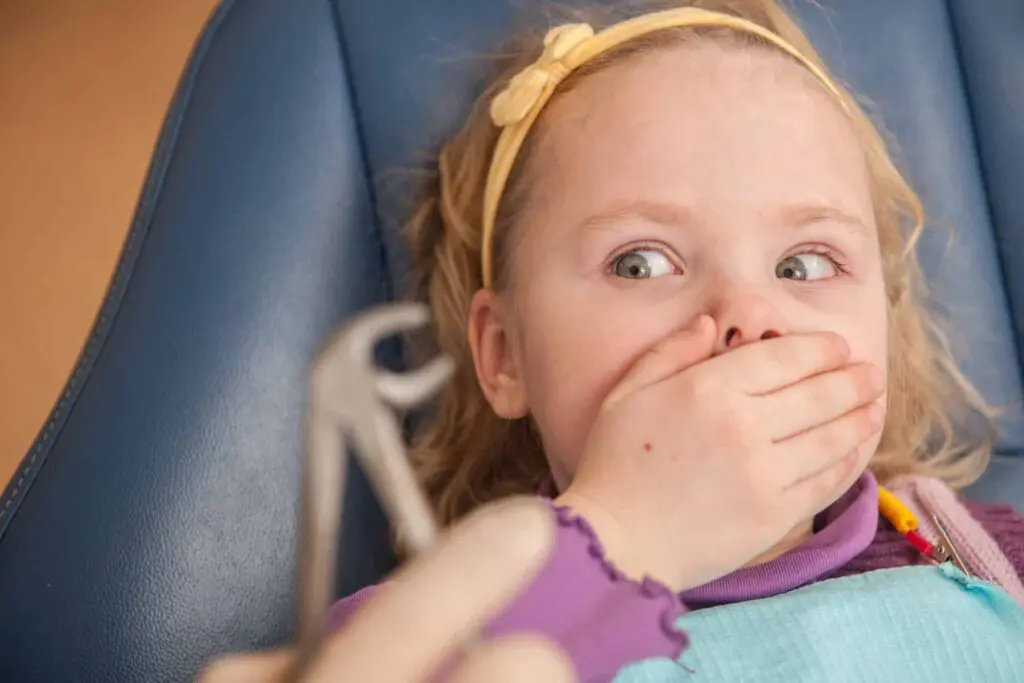
Sleep Dentistry for Kids
If your child has needed dental work but could not get through the appointment, you are not alone. For some children, those with severe dental anxiety, very young age, significant developmental needs, or the need for extensive treatment, a standard dental visit even with nitrous oxide (laughing gas) is not possible. The child becomes distressed, the parent becomes distressed, and the dentist cannot safely complete the work.
Sleep dentistry is the solution for exactly these situations. Sleep dentistry means your child receives their dental treatment while fully asleep under general anesthesia, administered and monitored by an anesthesiologist. They feel nothing, they are aware of nothing, and they wake up with no memory of the procedure, and with all of their dental work complete.
At Scottsdale Dental Centre in Guelph, Dr. Ahmad offers sleep dentistry for children who need it. His hospital-based General Practice Residency at Hartford Hospital included training alongside Anaesthesia and Emergency Medicine departments, clinical experience that gives him a depth of understanding of sedated patients that most general dentists do not have. If your child needs to be asleep for dental care, you want a dentist with that background.
What sleep dentistry actually means
Sleep dentistry is a plain-language term for dental treatment performed under general anesthesia. Under general anesthesia, your child is fully and deeply asleep. They are not drowsy, not semiconscious, not aware of sounds or sensations, they are completely asleep, the same way a child would be for a surgical procedure.
A physician anesthesiologist administers the anesthesia and monitors your child continuously throughout the entire procedure. Dr. Ahmad completes all of the dental treatment while your child sleeps. When the anesthesia is reversed and your child wakes up, everything is done. They have no memory of the appointment.
This is different from nitrous oxide (laughing gas), which keeps a child relaxed but awake. It is different from oral sedation, which produces drowsiness but not unconsciousness. Sleep dentistry means general anesthesia, full unconsciousness with a dedicated anesthesiologist present for the entire procedure.
Who sleep dentistry is for
Sleep dentistry under general anesthesia is not the first option for every child. It is the right option when other approaches have not worked or are not appropriate. The situations where it is clearly indicated include the following.
Severe dental anxiety or phobia. Some children’s fear of dental treatment is so significant that they cannot cooperate even with gentle, patient care, nitrous oxide, or other lighter approaches. Sleep dentistry removes the fear entirely. The child goes to sleep, the work is done, and they wake up without having experienced anything distressing.
Very young children who cannot cooperate. Toddlers and young children are often not developmentally able to remain still, follow instructions, or understand what is happening for the duration of a dental procedure. Attempting treatment on a child who is physically unable to cooperate creates risk for everyone. Sleep dentistry makes the work possible and keeps the child safe.
Extensive treatment needs. When a child needs multiple fillings, extractions, or other significant work, completing it over several standard appointments can be exhausting and traumatic for the whole family. Under general anesthesia, all necessary treatment is completed in a single visit. The child goes through the experience once and wakes up with everything finished.
Special needs and developmental conditions. Children with autism spectrum disorder, ADHD, intellectual disabilities, sensory processing disorders, or other conditions that affect their ability to cooperate with dental treatment benefit significantly from sleep dentistry. For many families in this situation, it is not a last resort, it is simply the most appropriate and compassionate approach from the beginning.
Strong gag reflex. A pronounced gag reflex makes many dental procedures extremely difficult or impossible. Under general anesthesia the gag reflex is eliminated and all treatment can be completed safely.
Previous traumatic dental experience. Children who have had a frightening or painful dental experience often develop lasting anticipatory anxiety that makes all future dental care difficult. Sleep dentistry allows the child to have a calm, entirely unconscious experience that breaks the cycle.
If you are unsure whether sleep dentistry is appropriate for your child, the right next step is a consultation. Dr. Ahmad will review your child’s situation honestly and recommend the right approach.
How sleep dentistry works
The consultation. Before any sleep dentistry appointment, Dr. Ahmad meets with you and your child to review the dental treatment needed, go through your child’s full medical history, and answer all of your questions. You will receive a written treatment plan. Nothing proceeds until you are fully informed and comfortable with the plan.
Before the appointment. You will receive detailed pre-operative instructions including fasting guidelines, no food or drink for a specified period before the procedure. Following these precisely is important for safety. We will also advise on how to talk to your child beforehand. Keeping it simple and calm works best: they will take a special sleep, the dentist will fix their teeth while they sleep, and you will be right there when they wake up.
The day of the procedure. You will bring your child to our office and be with them before the anesthesia begins. The anesthesiologist will administer the anesthetic and your child will fall asleep quickly and comfortably. Dr. Ahmad then completes all of the dental treatment. Throughout the entire procedure, the anesthesiologist monitors your child’s vital signs continuously.
Waking up. Your child wakes up in a recovery room with staff present. You will be brought in as soon as they are ready. They may be groggy, a little emotional, or briefly confused as the anesthesia clears, this is completely normal. Once they are alert and stable, they are discharged home with you.
After the procedure. Your child will need to rest for the remainder of the day. Drowsiness, decreased appetite, and quietness are normal and resolve within hours. We will give you written post-operative instructions covering what to watch for, what they can eat and drink, and when to call us. Dr. Ahmad is available for questions after the procedure.
What parents most often tell us afterward: it was far easier than they had feared. The child wakes up calm, everything is done, and the whole difficult situation has been resolved in a single day.
Is general anesthesia safe for children?
This is the question every parent asks first, and it deserves a direct and honest answer.
General anesthesia for children is very safe when it is administered in an appropriate facility by a qualified anesthesiologist with proper monitoring. It has been used in children for decades for both medical and dental procedures. The anesthesia medications and monitoring protocols used today are well established and the safety record is excellent.
The key factors that determine safety are the facility, the anesthesia team, and the thoroughness of the pre-anesthesia medical assessment. Sleep dentistry under general anesthesia takes place with a physician anesthesiologist whose sole focus during the procedure is monitoring your child.
There are real risks associated with general anesthesia, as there are with any medical procedure. Those risks are higher in children with respiratory conditions, obesity, obstructive sleep apnea, or complex medical histories. This is exactly why the consultation and medical history review before the procedure are thorough. If your child’s situation involves factors that affect anesthesia risk, the anesthesiologist will review these with you in detail before the day of the procedure.
It is also worth being direct about the alternative. Untreated dental disease in children is not a neutral outcome. Untreated cavities in baby teeth cause pain, infection, and can affect the development of permanent teeth. Dental infections in children can become serious. Deferred treatment almost always becomes more extensive treatment later. For the right child in the right situation, sleep dentistry is not the riskier choice, it is the responsible one.
Cost and insurance
We will give you a written estimate of the dental treatment costs before the procedure.
Many employer dental benefit plans provide partial or full coverage for dental treatment performed under general anesthesia when it is clinically indicated. Some extended health plans also cover anesthesia costs when the procedure is medically necessary. We will help you navigate your coverage before the appointment.
The Canadian Dental Care Plan (CDCP) covers certain dental services for eligible children. We are enrolled in the CDCP and will help you understand what is covered under your child’s plan.
Book a sleep dentistry consultation for your child
If your child needs dental work and standard appointments have not been working, a consultation is the right next step. It is a conversation, no commitment, no pressure. You will leave with a clear recommendation and a full understanding of the process.
Sleep dentistry has helped many anxious children recieve the treatment they need. We will answer every question and make sure you feel completely comfortable before we proceed with anything.
Book your child’s sleep dentistry consultation online or call (519) 836-5110 today.
Referrals from Other Dental Offices
Patients do not require a referral. However, for continuity of care, dentists can refer a patient for sedation or general anesthesia by calling (519) 836-5110 or using the Sedation Referral Form.
Frequently Asked Questions
If your child has been unable to complete needed dental treatment through standard appointments, including with nitrous oxide or other lighter approaches, or if the amount of treatment needed is extensive, sleep dentistry is worth discussing. A consultation with Dr. Ahmad will give you a clear and honest recommendation.
Nitrous oxide keeps a child relaxed but awake. Sleep dentistry means general anesthesia, your child is fully unconscious, the same way they would be for a surgical procedure. They feel nothing, hear nothing, and remember nothing.
Yes. General anesthesia for children has an excellent safety record when administered by a qualified anesthesiologist in an appropriate facility. A physician anesthesiologist is dedicated solely to monitoring your child throughout the entire procedure. The risks are real but small, and they are thoroughly reviewed during the pre-anesthesia assessment.
The procedure takes place in our dental office in an specially equipped anesthesia operatory.
No. Under general anesthesia, your child is fully unconscious and will have no memory of the appointment at all.
You will be with your child before the anesthesia is administered and again as soon as they begin to wake up in recovery. During the procedure itself, parents wait in our reception area.
Yes, in almost all cases. This is one of the most significant benefits of sleep dentistry, all necessary treatment is completed in a single procedure. Your child goes through the experience once and it is finished.
General anesthesia can be used in children of any age, including toddlers, when it is clinically appropriate. The anesthesiologist will assess your child’s age, weight, and medical history as part of the pre-anesthesia review.
Normal post-anesthesia effects include drowsiness, decreased appetite, brief emotional upset, and mild nausea. These resolve within hours. We will give you written instructions covering what to watch for, what your child can eat and drink, and when to call us. If anything concerns you after discharge, we are available.
Call us to book a consultation. Dr. Ahmad will review your child’s dental needs, discuss whether sleep dentistry is the right approach, and explain the process from start to finish.