

Custom Dental Nightguards for Grinding & Clenching in Guelph, ON
Waking up with a sore jaw or headaches? You’re not alone, and there’s a simple, effective solution.
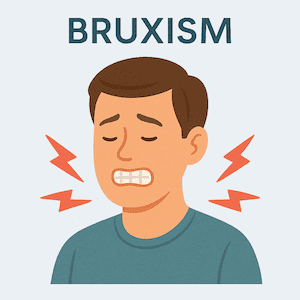
Teeth grinding and jaw clenching (bruxism) is more common than most people realize, and it often happens while you sleep without you even knowing. Over time, it can wear down your enamel, cause jaw pain, trigger headaches, and put real stress on your jaw joint. The good news? A custom-fitted nightguard can protect your teeth and help you wake up feeling a whole lot better.
At Scottsdale Dental Centre, Dr. Ahmad and our team have helped hundreds of Guelph patients find relief with nightguards made to fit their exact bite. We’d love to help you too.
Book a Nightguard Consultation | Call us at (519) 836-5110
Could You Be Grinding Your Teeth?
A lot of people don’t realize they grind their teeth until a dentist points out the wear — or a partner mentions the sound. Here are some signs worth paying attention to:
- Waking up with jaw soreness, stiffness, or a dull ache
- Morning headaches or tension around your temples
- Teeth that feel sensitive or look flattened and worn
- Chipped or cracked teeth without a clear cause
- A clicking or popping sensation in your jaw
- Feeling like your jaw is “tired” when you wake up
If any of these sound familiar, come in and see us. Dr. Ahmad can take a look and let you know whether a nightguard is the right fit for you.
What a Nightguard Can Help With
Custom nightguards are one of the most effective tools we have for protecting your teeth and relieving the discomfort that comes with bruxism. They’re used to manage:
Bruxism (teeth grinding and clenching): The guard sits between your upper and lower teeth, absorbing the force of grinding so your enamel doesn’t have to take the hit.
TMJ discomfort and jaw tension: Grinding puts enormous pressure on your temporomandibular joint. A well-fitted nightguard takes that strain off your jaw muscles and joint, helping reduce the pain, clicking, and stiffness that come with TMJ issues. We also offer dedicated TMJ treatment if you need more support.
Preventing bigger (and more expensive) problems down the road: Worn enamel, cracked teeth, and damaged restorations are far more involved to fix than they are to prevent. A nightguard is one of the smartest investments you can make in your long-term dental health.
The Types of Nightguards We Offer
Every patient is different, so Dr. Ahmad will recommend the type of guard that suits your grinding pattern, bite, and comfort preferences. Under the category of Dental Orthotics and Splints, we offer two kinds of nightguards for clenching and grinding specifically:
Hard (Acrylic) Nightguard Made from firm, durable acrylic, this is the gold standard for anyone who grinds heavily. It’s built to last, distributes bite force evenly across all your teeth, and is less likely to be ground through over time. Most patients adjust to it within a week or so, and once they do, they wonder how they ever slept without it.
Dual-Laminate Nightguard The best of both worlds. The inside is soft and cushioned for comfort, while the outside is firm enough to withstand grinding. If you’ve tried a hard guard and found it uncomfortable, or if you’re new to nightguards and want something that feels a little gentler, this is often the perfect middle ground.
Not sure which one is right for you? Don’t worry, that’s exactly what your consultation is for.
Custom vs. Store-Bought: Is There Really a Difference?
We get this question a lot, and the honest answer is: yes, there’s a significant difference.
Over-the-counter nightguards from the drugstore are made in generic sizes with a basic “boil and bite” fitting. They tend to be thick, bulky, and often don’t stay in place through the night, which means many people give up on them after a few tries.
A custom nightguard from our office is made from a precise impression of your own teeth, crafted by a dental lab to match your exact bite. That means it:
- Fits snugly and stays put all night
- Distributes bite force evenly rather than shifting around
- Is slim enough that most patients barely notice it after a few nights
- Lasts 3–5 years with proper care, compared to a few months for a store-bought option
It’s a small investment that makes a big difference in how well it actually works.
What to Expect When You Come In
We’ve made the process as easy as possible, it only takes two short appointments.
Your First Visit — Consultation & Digital Scans if needed. Dr. Ahmad will examine your teeth and jaw for signs of grinding, ask about your symptoms, and recommend which type of guard suits you best. We’ll then take precise impressions of your teeth, which go to our dental lab to have your guard custom-made.
Your Second Visit — Fitting & Fine-Tuning About 1–2 weeks later, your guard will be ready. We’ll check the fit, make sure your bite feels natural, and make any small adjustments needed. Most patients leave this appointment feeling really good about it.
That’s it, you’re set.
Cost & Insurance Coverage
A custom nightguard at Scottsdale Dental Centre typically ranges from $400–$700, depending on the type and materials.
The great news is that many dental insurance plans in Ontario cover nightguards, fully or partially, when there’s a clinical diagnosis of bruxism or TMJ. Our team will look into your coverage before treatment starts, and we’ll direct-bill your insurance on your behalf so there’s no paperwork hassle on your end.
If you’re unsure about your coverage, just call us and we’ll help you figure it out. We want to make sure there are no surprises.
Taking Care of Your Nightguard
A little bit of daily care goes a long way toward keeping your guard in great shape:
- Rinse it right away every morning with cool water as soon as you take it out
- Clean it gently with a soft toothbrush and mild soap, avoid toothpaste, which is too abrasive and can scratch the surface
- Let it air out by storing it in its case with the lid slightly open
- Keep it away from heat for example, a hot car or warm water can warp the material and affect the fit
- Bring it to your checkups so Dr. Ahmad can check for wear and make sure it’s still fitting well
With good care, your nightguard should last you 3–5 years.
Why Our Patients Love Getting Their Nightguard Here
- Caring, unhurried appointments — Dr. Ahmad takes the time to explain everything and make sure you’re comfortable with the process
- Direct insurance billing — we handle the claims so you don’t have to
- Connected care — if your grinding is tied to TMJ issues, we also offer TMJ treatment and Botox for jaw pain, so everything is handled in one place
- Easy to get to — just minutes from Stone Road Mall and the University of Guelph, with evening hours on Tuesdays and Wednesdays
Ready to Wake Up Without the Jaw Pain?
You don’t have to keep putting up with sore mornings and headaches. A custom nightguard is a straightforward solution that can make a real difference, and we’re here to make the whole process easy.
Schedule Your Nightguard Consultation Today or call us now at 519-836-5110 to book an appointment.