Are You Getting the Sleep Your Body Needs?
What is sleep disordered breathing?
Sleep disordered breathing (SDB) is an umbrella term for conditions where your breathing is disrupted during sleep. There are two main types:
Obstructive sleep apnea (OSA):
- The most common form
- Soft tissues at the back of the throat repeatedly collapse during sleep
- This partially or completely blocks the airway
- The brain briefly wakes you each time to restore breathing
- This can happen dozens or hundreds of times per night
- Most people have no memory of waking
Central sleep apnea (CSA):
- Less common than OSA
- The brain temporarily stops signalling the breathing muscles
- More often linked to heart failure or opioid pain medications
How severity is measured using the apnea-hypopnea index (AHI):
- Mild OSA: 5 to 14 events per hour
- Moderate OSA: 15 to 29 events per hour
- Severe OSA: 30 or more events per hour
Signs and symptoms to watch for
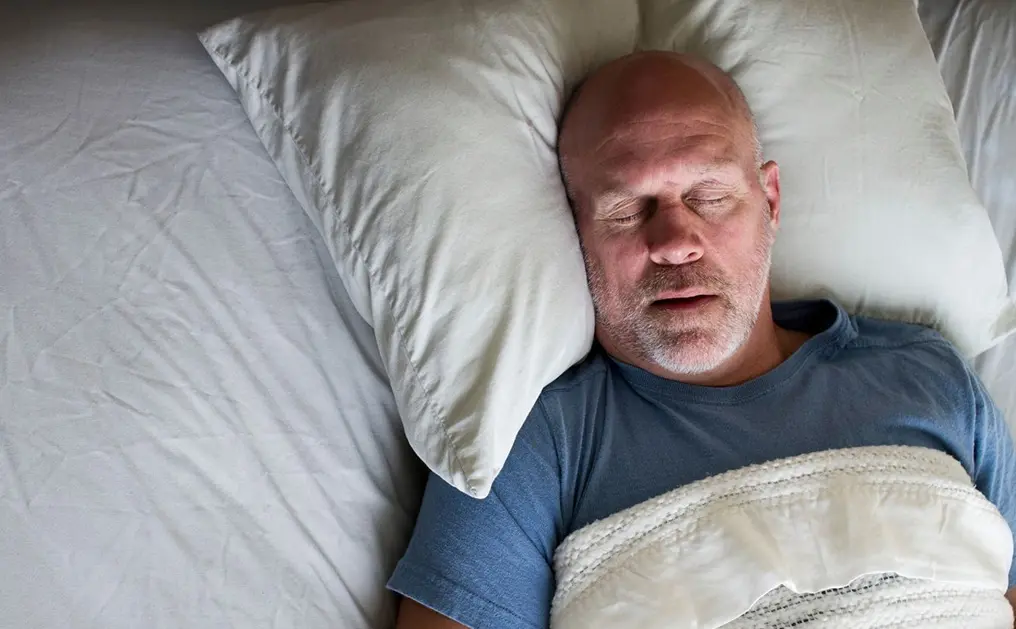
Most people with sleep apnea have no idea it is happening. A bed partner is often the first to notice. Symptoms fall into two categories:
Nighttime signs, often noticed by a partner:
- Loud, persistent snoring
- Gasping, choking, or snorting sounds during sleep
- Witnessed pauses in breathing
- Frequent waking through the night
- Restless or highly disrupted sleep
Daytime signs felt by you:
- Excessive sleepiness even after a full night in bed
- Waking with a headache, dry mouth, or sore throat
- Difficulty concentrating or remembering things
- Irritability, low mood, or anxiety
- Reduced sex drive
- Frequent night-time urination
- Feeling unrefreshed no matter how much you sleep
A note on women:
- Women with OSA often do not snore loudly
- More commonly report fatigue, insomnia, and low mood
- These symptoms are frequently mistaken for stress, depression, or menopause
- As a result, OSA in women is significantly underdiagnosed
Health risks of untreated OSA:
- High blood pressure
- Heart disease and coronary artery disease
- Atrial fibrillation
- Stroke
- Type 2 diabetes
- Reduced quality of life and concentration
- Increased risk of motor vehicle accidents due to fatigue
Who is most at risk?
Sleep apnea is far more common than most people realise. Among adults aged 50 to 70, roughly 43% of men and 28% of women are estimated to have OSA, and the vast majority are undiagnosed.
Weight:
- The single most important modifiable risk factor
- OSA affects over 40% of people with a BMI above 30
- Present in 60% of people with metabolic syndrome
- A 10% weight gain can increase breathing disruptions per hour by nearly one third
Age:
- Risk increases steadily with age as throat muscle tone decreases
- OSA prevalence in men aged 30 to 49 is approximately 27%
- Rises to approximately 43% in men aged 50 to 70
- OSA prevalence in women aged 30 to 49 is approximately 9%
- Rises to approximately 28% in women aged 50 to 70
Sex:
- Men are 2 to 4 times more likely to have OSA than women
- The gap narrows significantly after menopause
- Post-menopausal women are 2.6 to 3.5 times more likely to have OSA than pre-menopausal women
Physical characteristics:
- Neck circumference above 40cm increases risk due to greater soft tissue around the airway
- A recessed jaw, narrow palate, or enlarged tonsils can restrict airflow even in people of normal weight
- Large tongue or uvula can contribute to airway obstruction
Ethnicity:
- African American, Hispanic and Latino, and Native American communities have higher OSA prevalence than White individuals
- People of Asian heritage are at elevated risk even at lower body weights due to differences in facial bone structure
Medical conditions that increase risk:
- High blood pressure
- Heart disease
- Type 2 diabetes
- Hypothyroidism
- Polycystic ovarian syndrome
- Atrial fibrillation
- Heart failure
- Stroke
- Chronic opioid use (associated with central sleep apnea in approximately 1 in 4 long-term users)
The STOP-BANG screening tool
The STOP-BANG questionnaire is one of the most widely used tools for identifying risk. It consists of eight yes or no questions and can be completed in under a minute.
STOP covers symptoms:
- S: Do you snore loudly?
- T: Do you often feel tired, fatigued, or sleepy during the day?
- O: Has anyone observed you stop breathing during sleep?
- P: Do you have or are you being treated for high blood pressure?
BANG covers physical characteristics:
- B: Is your BMI above 35?
- A: Are you older than 50?
- N: Is your neck circumference above 40cm?
- G: Are you male?
What your score means:
- 0 to 2: Low risk for moderate to severe OSA
- 3 to 4: Intermediate risk, further evaluation is recommended
- 5 to 8: High risk, a formal assessment should be sought
Important limitations of the STOP-BANG tool:
- A high score does not confirm sleep apnea, only a sleep study can do that
- It is a starting point for conversation, not a diagnosis
- Women often score lower than their actual risk level because male sex automatically adds one point
- Women with OSA more commonly present with fatigue, insomnia, and mood changes rather than snoring
- If you are a woman with these symptoms, raise it with your clinician even if your score is low
Getting a diagnosis
The only way to definitively diagnose sleep apnea is with a sleep study. Two options are available:
Polysomnography (in-lab sleep study):
- The gold standard for diagnosis
- Conducted overnight in a sleep clinic
- Monitors brain activity, heart rate, blood oxygen, breathing patterns, and body movement simultaneously
- Most comprehensive assessment available
- Requires a referral
Home sleep apnea testing (HSAT):
- A convenient and cost-effective alternative
- A small wearable device records breathing data overnight in your own home
- Suitable for people with high likelihood of moderate to severe OSA
- Not recommended if you have significant heart or lung conditions
Your GP can guide you toward the most appropriate test.
Your treatment options
Sleep apnea is very treatable. The right approach depends on your severity, overall health, and what you will realistically use every night.
CPAP therapy (continuous positive airway pressure):
- Standard first-line treatment for moderate to severe OSA
- Delivers pressurised air through a mask worn during sleep
- Keeps the airway open throughout the night
- Highly effective at eliminating apnea events
- Improves blood pressure, daytime alertness, and quality of life
- Reduces cardiovascular risk
- Some patients find the mask uncomfortable
- Adherence can be a significant challenge for many users
Mandibular advancement devices (MADs):
- Custom-fitted dental appliances worn during sleep, at Scottsdale Dental Centre we are able to provide these.
- Gently reposition the lower jaw forward to keep the airway open
- Recommended as first-line treatment for mild to moderate OSA
- Recommended as the preferred alternative for anyone who cannot tolerate CPAP
- Reduce breathing disruptions by 48 to 67% across all OSA severity levels
- Improve daytime sleepiness as effectively as CPAP
- Produce similar reductions in blood pressure compared to CPAP
- Significantly better patient adherence than CPAP
- Approximately 50% fewer patients discontinue treatment compared to CPAP
- Patients prefer them over CPAP at roughly a 2 to 1 ratio
- Must be custom-made and fitted by a qualified dentist for best results
- A follow-up sleep study should be done with the device in place to confirm effectiveness
- Superior to any over-the-counter device
Weight loss:
- A beneficial addition to any OSA treatment plan
- Even modest reduction significantly lowers OSA severity
- Options include intensive lifestyle modification, weight loss medications, and bariatric surgery
Positional therapy:
- Suitable for OSA that worsens when sleeping on the back
- Devices or techniques that encourage side-sleeping can be effective
- Simple and non-invasive
Hypoglossal nerve stimulation:
- A surgically implanted device
- Gently stimulates the tongue nerve during sleep to keep the airway open
- Suitable for selected patients with moderate to severe OSA who cannot tolerate CPAP
- Requires surgical assessment and eligibility criteria
Surgery:
- Can address structural causes of airway obstruction
- Options include removal of enlarged tonsils or adenoids, correction of a deviated septum, jaw advancement surgery, and palate procedures
- Typically considered when other treatments have not been effective
How your dental team can help
Your dentist plays a more important role in sleep health than most people realise. Dentists trained in dental sleep medicine can:
Identify risk early:
- Screen for signs of sleep disordered breathing at routine appointments
- Recognise indicators such as tooth wear from grinding, a scalloped tongue edge, a recessed jaw, a high narrow palate, and enlarged tonsils
- Ask about snoring, daytime sleepiness, and related symptoms
- Refer you to a sleep physician or arrange a sleep study when appropriate
Provide oral appliance therapy:
- Fabricate custom-made, adjustable mandibular advancement devices
- Properly fit and titrate the device for maximum effectiveness
- Custom devices are clinically proven and far superior to over-the-counter options
- Arrange a follow-up sleep study to confirm the device is working
Ongoing care and monitoring:
- Co-manage your care alongside your GP or sleep physician
- Monitor for side effects such as jaw soreness, tooth discomfort, or bite changes
- Make adjustments to the device as needed over time
- Provide long-term support to ensure your treatment continues to work
A dentist-fitted oral appliance is recommended by sleep medicine guidelines as a first-line treatment for mild to moderate OSA, and as the preferred CPAP alternative for those who cannot tolerate the mask.
If you think you or someone you sleep beside might have sleep apnea, please do not wait. A conversation at your next dental appointment is an easy and completely non-invasive first step. We are here to help you sleep better, breathe easier, and feel more like yourself again. Call us today at (519) 836-5110 and read more about our sleep apnea appliances.