
Wisdom Teeth in Guelph: The Brutal Truth About “Waiting Until It Hurts”
If you’re hoping your wisdom teeth will “just behave,” you’re gambling with a problem that often gets worse fast.
Because when wisdom teeth cause pain, it’s usually not a small issue, it’s often infection, impaction, decay you can’t see, or pressure that’s already damaging the tooth next door. That’s how people end up needing emergency antibiotics, missing work or school, and getting a more complicated extraction than they would have needed months earlier.
If you’re searching for wisdom teeth removal in Guelph, this guide explains when wisdom teeth are a problem, warning signs to watch for, what happens if you wait, and what to expect from an assessment and removal plan at Scottsdale Dental Centre including sedation for anxious patients.
What Are Wisdom Teeth, and Why Do They Cause So Many Problems?
Wisdom teeth (third molars) are the last teeth to erupt, often in the late teens or early 20s. The issue is simple:
Most modern jaws don’t have enough room.
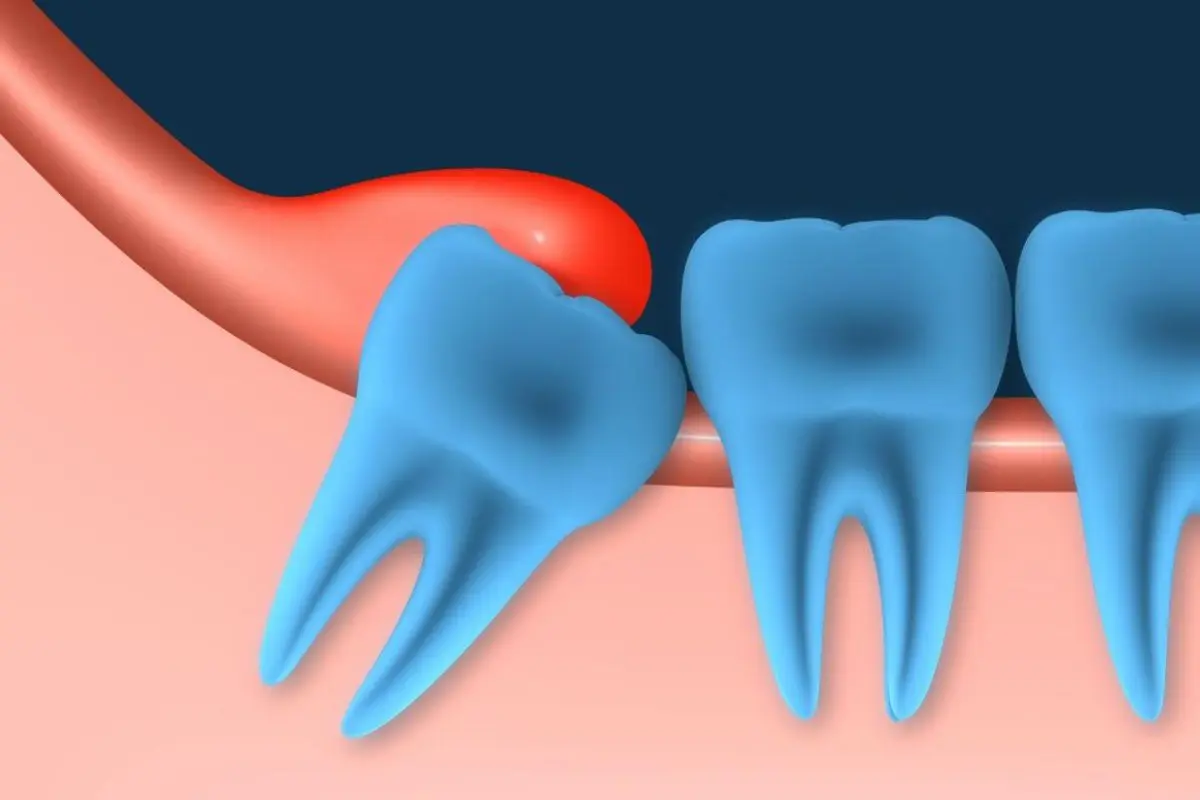
That lack of space can cause wisdom teeth to:
- Come in at an angle (impaction)
- Get trapped under gum or bone
- Partially erupt (creating an infection trap)
- Push against the tooth in front
- Develop cavities that are hard to clean
- Irritate gums and contribute to gum disease in the back of the mouth
Wisdom teeth are evolutionary leftovers from when our ancestors needed extra molars to grind tough plant material and raw meat. Modern humans have smaller jaws, but we still develop these extra molars which is why they often don’t fit properly and cause problems.
The Most Common Warning Signs (Don’t Ignore These)
You may need an assessment if you notice:
- Pain or pressure at the back of the jaw
- Swollen, tender gums behind the last molar
- Bad taste or bad breath that keeps coming back (sign of infection)
- Difficulty opening wide (jaw stiffness)
- Cheek swelling or facial swelling
- Headaches or ear/jaw discomfort on one side
- Food constantly getting stuck in the back
- Bleeding gums around the back molars
A big one people miss: pain that comes and goes. That can still mean inflammation or infection that’s building.
The Big Risk of “Partially Erupted” Wisdom Teeth
Partially erupted wisdom teeth are one of the most common reasons for sudden flare-ups.
When a wisdom tooth is partly covered by gum tissue, bacteria and food get trapped under the flap, leading to an infection called pericoronitis.
Signs of Pericoronitis Include:
- Swollen gum flap
- Pain when chewing
- Bad taste or pus
- Jaw stiffness
- Swelling that can spread to cheeks or lymph nodes
- Difficulty swallowing in severe cases
This can escalate quickly, especially if you delay care. Pericoronitis often requires antibiotics and eventual extraction, but delaying treatment can lead to the infection spreading.
The Biggest Mistake: “I’ll Deal With It When It Becomes a Problem”
This is the most common approach, and the most costly. Here’s what typically happens when you wait:
The Progression Most Guelph Patients Experience:
Ages 15-20: “They’re fine for now”
- X-rays show impacted or angled wisdom teeth
- No pain yet, so extraction is postponed
- Extraction would be straightforward at this age (roots aren’t fully formed)
- Recovery would be faster and easier
Ages 21-25: First warning signs
- Occasional discomfort or pressure
- Gum inflammation around partially erupted tooth
- Food gets trapped, hard to clean
- Pain that comes and goes
- Still postponing because it’s “not that bad”
Ages 26-30: Problems escalate
- Infection develops (pericoronitis)
- Pain becomes severe, often at inconvenient times
- Recurring infections requiring repeated antibiotics
- Neighboring tooth decay from inability to clean
- Decay in the wisdom tooth and/or the tooth next to it
- Cysts may form around impacted teeth (less common, but possible)
- Roots are now fully formed, making extraction more complex
Ages 30+: Emergency extraction
- Severe pain, swelling, infection
- Emergency appointment needed
- More difficult surgery (bone may need removal)
- Longer recovery time
- Higher complication risk
- Significantly higher cost
The pattern is clear: The younger you are when wisdom teeth are removed, the easier the procedure and recovery typically are.
What Happens If You Wait Too Long?
Delaying wisdom tooth treatment doesn’t just increase discomfort, it can reduce your options and increase complexity.
Common Consequences:
- Recurring infections (and repeated antibiotics)
- Decay in the wisdom tooth and/or the tooth next to it
- Gum disease behind the second molar
- Damage to adjacent teeth (pressure, root damage, cavities)
- Cyst formation around an impacted tooth (less common, but possible)
- More complicated extractions due to deeper roots or worsening position
- Orthodontic problems (can undo previous orthodontic work)
The cost of waiting:
- Simple extraction (age 18): $200-$400 per tooth
- Surgical extraction with complications (age 30+): $400-$800+ per tooth
- Emergency visits, antibiotics, pain management: Additional $300-$600
- Potential damage to neighboring teeth requiring additional treatment
- Time off work and reduced quality of life: Priceless
In other words: waiting doesn’t just increase discomfort, it makes everything more complicated and expensive.
Do All Wisdom Teeth Need to Be Removed?
Not always! Some people have wisdom teeth that:
- Erupt fully
- Are easy to clean
- Don’t damage neighboring teeth
- Don’t develop cavities or gum issues
- Have enough room in the jaw
But many wisdom teeth still need monitoring because problems can develop quietly, especially cavities on the back side of the second molar or under the gumline.
That’s why a proper exam and X-rays matter. Regular monitoring helps catch problems early before they become emergencies.
The Myths Guelph Residents Believe About Wisdom Teeth
Myth: “If they’re not hurting, they’re fine”
Reality: By the time wisdom teeth hurt, problems have often already developed. X-rays can show impaction, decay, and potential issues before symptoms appear. Prevention is easier than emergency treatment.
Myth: “Wisdom teeth removal always requires general anesthesia”
Reality: Many wisdom teeth extractions can be done with local anesthesia (you’re awake but numb). Laughing gas (nitrous oxide) and moderate sedation with a pill are available at Scottsdale Dental Centre for anxious patients. General anesthesia or IV sedation is an option for complex cases but isn’t always necessary.
Myth: “Recovery takes weeks and is extremely painful”
Reality: Most people return to normal activities within 3–5 days. Discomfort is typically manageable with over-the-counter pain medication. Following post-operative instructions makes a huge difference in recovery.
Myth: “Everyone needs their wisdom teeth removed”
Reality: Some people have enough room, and their wisdom teeth erupt properly and stay healthy. However, this is the exception, not the rule. Regular monitoring with X-rays helps determine if removal is needed.
Myth: “It’s better to wait until they cause problems”
Reality: This is perhaps the most costly myth. Preventive extraction (when indicated) is typically easier, faster, and has better outcomes than waiting for problems to develop.
What to Expect at a Wisdom Teeth Assessment
At Scottsdale Dental Centre in Guelph, an assessment typically includes:
Clinical Examination
- Exam of the gums, bite, and visible teeth
- Assessment of symptoms and any current pain
- Evaluation of jaw opening and movement
Dental X-Rays
- X-rays to see the roots, position, and development. Sometimes we also need a 3D CT scan which we can perform in-house.
- Identify impaction, angle, and proximity to other structures
- Assess risk of complications
Discussion of Options
- Whether removal is recommended or monitoring is appropriate
- Which teeth are involved
- The level of difficulty (simple vs. surgical)
- Timeline and scheduling
- What comfort options are available (laughing gas, local anesthesia)
- Aftercare and recovery expectations
Clear Treatment Plan
You should leave knowing:
- Whether removal is recommended
- Why removal is needed (or why monitoring is appropriate)
- What the procedure will involve
- Cost estimates and insurance coverage
- Next steps and scheduling
Wisdom Teeth Removal: What the Appointment Is Like
Many extractions are straightforward. More complex cases (impacted teeth) can take longer and require a surgical approach.
For Simple Extractions (Fully Erupted Teeth):
- Local anesthetic numbs the area
- Tooth is loosened and removed with dental instruments
- Typically takes under 10 minutes per tooth
- Most people are surprised by how straightforward it is
For Surgical Extractions (Impacted or Partially Erupted):
- Local anesthetic numbs the area completely
- Sedation available for anxiety
- Small incision made in gum tissue
- Tooth may be sectioned into smaller pieces for easier removal
- Bone may be removed to access tooth
- Stitches placed to close incision (usually dissolvable)
- Typically takes 10-15 minutes per tooth
Comfort-Focused Care
Comfort matters, especially for anxious patients. At Scottsdale Dental Centre:
- Strong local freezing/anesthesia ensures you feel no pain
- Communication throughout (we check in regularly)
- Breaks and a “stop signal” if you need a moment
- Sedation to reduce anxiety and help you relax
- Most patients say it was far less uncomfortable than they expected
Recovery: What’s Normal and What’s Not
Most people have a few days of swelling and soreness. Here’s what to expect:
Days 1–3: Peak Discomfort
- Some bleeding is normal for first few hours
- Swelling typically peaks at 48-72 hours
- Ice packs help reduce swelling (20 minutes on/off)
- Rest the day of surgery
- Stick to soft, cool foods (smoothies, yogurt, mashed potatoes, soup)
- Over-the-counter pain medication usually sufficient
Days 4–7: Improvement
- Swelling begins to subside
- Can gradually return to normal activities
- Expand diet as comfortable
- Continue gentle oral hygiene
- Most people feel significantly better
Week 2: Nearly Back to Normal
- Most people feel back to normal
- Extraction sites continue healing
- Follow-up appointment if needed
Common Aftercare Basics:
- Rest the day of surgery
- Soft foods for a short period
- Avoid smoking/vaping (higher dry socket risk)
- Follow instructions for rinsing (timing matters, no vigorous rinsing first 24 hours)
- Keep the area clean as directed
- Don’t use straws for 5-7 days (suction can dislodge clot)
- Don’t spit vigorously (let saliva drool into sink)
Call Scottsdale Dental Centre Promptly If You Have:
- Worsening swelling after day 3-4
- Fever or feeling unwell
- Uncontrolled bleeding
- Severe pain that spikes a few days after extraction (possible dry socket)
- Difficulty swallowing or breathing
- Bad taste or odor despite proper care
Managing Anxiety: Sedation Options at Scottsdale Dental Centre
Wisdom teeth removal anxiety is completely normal. Scottsdale Dental Centre offers options to help:
Laughing Gas (Nitrous Oxide) or Moderate Oral Sedation
The most popular option for anxious patients:
- Reduces anxiety and creates calm, relaxed feeling
- You remain conscious and can respond to Dr. Ahmad
- Wears off quickly after procedure
- Can usually drive yourself home
- Safe and effective for most patients
Local Anesthesia
Standard for all extractions:
- Completely numbs the area
- You feel pressure but no pain
- Stay awake and aware
Cost of Wisdom Teeth Extraction in Guelph
Costs vary based on complexity:
Simple extraction (fully erupted tooth):
- $200–$400 per tooth
Surgical extraction (impacted or partially erupted):
- $300–$800 per tooth
All four wisdom teeth (typical case):
- $1,000–$2,500 total
Factors affecting cost:
- Position and impaction level
- Number of teeth being removed
- Complexity of extraction
- Type of sedation used
- Need for bone removal
Insurance coverage: Most dental plans cover 50–80% of wisdom teeth extraction when medically necessary. Scottsdale Dental Centre works with most insurance providers and can provide pre-determination of estimates. We also perform direct billing to insurance to minimize your out of pocket expenses.
Why Choose Scottsdale Dental Centre for Wisdom Teeth in Guelph?
If you’re looking for a dentist in Guelph for wisdom teeth removal, Scottsdale Dental Centre offers:
Clear Diagnosis and Straightforward Advice
Dr. Ahmad provides honest recommendations about whether removal is needed or monitoring is appropriate.
Modern Imaging and Careful Planning
Digital X-rays and an in-house CT help assess complexity and plan the safest, most effective approach.
Comfort-First Care
Sedation available for anxious patients. We prioritize your comfort throughout the entire process.
Supportive Team and Calm Environment
Our team understands wisdom teeth anxiety and creates a calm, reassuring atmosphere.
Comprehensive Pre and Post-Op Instructions
Detailed guidance helps ensure smooth recovery and prevents complications.
Trusted Local Reputation
Supported by a high number of Google reviews from satisfied Guelph patients.
Take the Next Step
If you have jaw pain, recurring swelling, or food trapping near your wisdom teeth, don’t wait for a full-blown infection.
Book an assessment at Scottsdale Dental Centre to find out whether your wisdom teeth should be monitored or removed, and get a plan that prevents a painful emergency later.
Schedule Your Wisdom Teeth Consultation
Call us at (519) 836-5110 or schedule a appointment online with Dr. Ahmad about wisdom teeth removal in Guelph.
During your visit, we’ll:
- Take or review X-rays to assess your wisdom teeth
- Discuss whether extraction is recommended
- Explain the procedure and what to expect
- Review sedation options for your comfort
- Provide detailed cost estimates
- Answer all your questions
- Schedule your procedure at a convenient time
Stop waiting for wisdom teeth to become an emergency. Get ahead of the problem with a planned, comfortable extraction!